There doesn’t seem to be an end to what I can find to say about hoof angles! Several of my previous posts have mentioned the consequences of hoof imbalance, and it’s now time to start being more specific about the problems that can, and do, arise from an improper landing due to an out-of-balance hoof. This installment will touch on consequences involving bones and soft tissues.

Photos of ringbone
Ringbone - from Dr. Deb Bennett

The severity of any particular problem is directly related to a number of factors, including: the horse’s conformation, the type and degree of hoof imbalance, the length of time the hoof remains out of balance, the work the horse does while unbalanced, and the type of terrain the horse moves over while unbalanced.

First of all, most horses do not suffer immediate and catastrophic ill effects from hoof imbalance. If that were the case, there would be far more lame horses than sound ones, since, in my experience, more than 9 out of 10 horses have some degree of imbalance. Instead, the effects of imbalance are often not seen until later in life, similar to human health problems associated with things like smoking, poor diet, and exposure to loud sounds. But since my objective in hoof care is the long-term comfort and soundness of your horse, I believe it’s important to understand and address these issues before they become problems at the clinical level.

The immediate problems that do occur from extreme hoof imbalances are lamenesses due to strain on tendons and ligaments. These sorts of issues more often appear to be connected to large and sudden changes in hoof length and/or angle that can occur when the horse is trimmed, rather than to absolute balance. When a large amount of hoof wall is removed, the abrupt change in tendon and ligament tensions can leave a horse uncomfortable for a few days following trimming.

The more serious problems stemming from long-term imbalance are those related to jerk and concussion. Once again, Dr. Deb Bennett in Principles of Equine Orthopedics –

The dirty little secret of all connective-tissue cells is that they really “want” to become bony. This is because, like bone, their ultimate structure is strands of the protein collagen, which has a great affinity for calci-apatite, the mineral substance which makes bones hard. When they detect strain, connective-tissue cells respond by coating collagen strands with calci-apatite….To “talk” connective-tissue cells into depositing calci-apatite requires only a little stimulation. This normally comes from gene signals, but stimulation by electric impulses, chemical irritants, or allergens can also start it. More importantly for real horseshoeing situations, so can vibration. Vibration comes to horses in two forms: as jerk, which occurs when ligaments or tendons are sharply pulled on; and as concussion, which occurs when something pounds on them (or when they pound on something).

In other words, if a hoof is out of balance in the front-to-back direction (A/P balance), the weight of the horse will immediately force the foot flat to the ground at the onset of the stance phase, and the ligaments and tendons will undergo a sudden change in acceleration. This rapid change is called ‘third-order acceleration’ or ‘jerk,’ and, as Dr. Bennett states above, it stimulates the conversion of the connective tissue – ligaments and tendons – to bone. Check out A Ringbone Study above for a good look at what happens (this example shows what is usually called high ringbone, and is also a case of articular ringbone since it involves the joint), and think about the consequences of those pronounced heel-first landings so many farriers claim are ‘normal!’
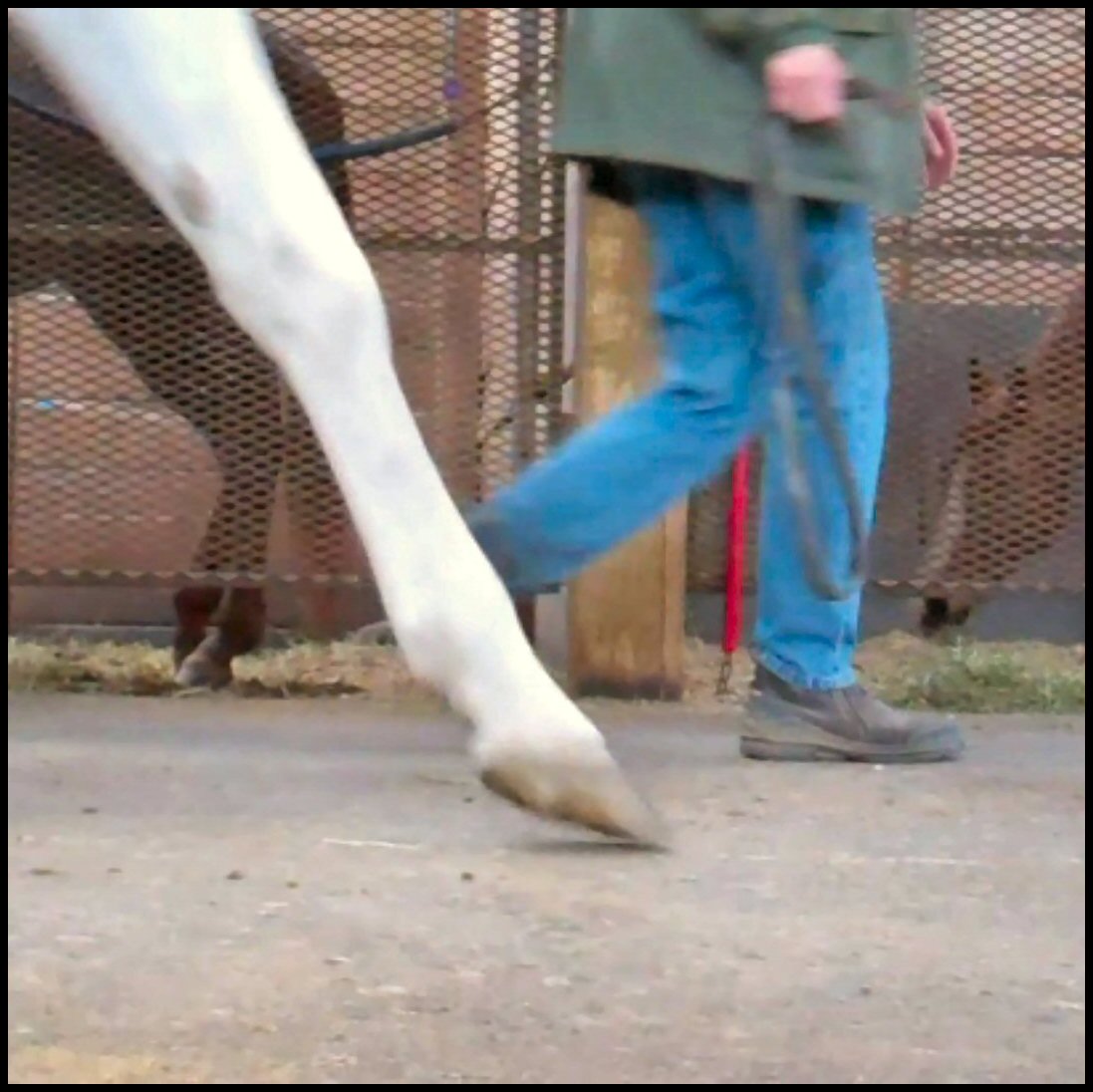
Toe-First Landing
A very pronounced (and destructive) toe-first landing...

On the other hand, if the hoof is out of balance in the side-to-side direction (M/L balance), it undergoes unilateral concussion when it lands, hastening the conversion to bone of the lateral cartilage i.e. sidebone. And remember: as I pointed out in What Makes it “Natural Hoof Care?”, unilateral concussion is practically synonymous with ‘corrective farriery.’ Deliberate imbalance can never fix a conformation “problem” at the ground level, because it originates much higher in the limb – in the shoulder or hip. It can only cause long-term (and sometimes short-term) damage.
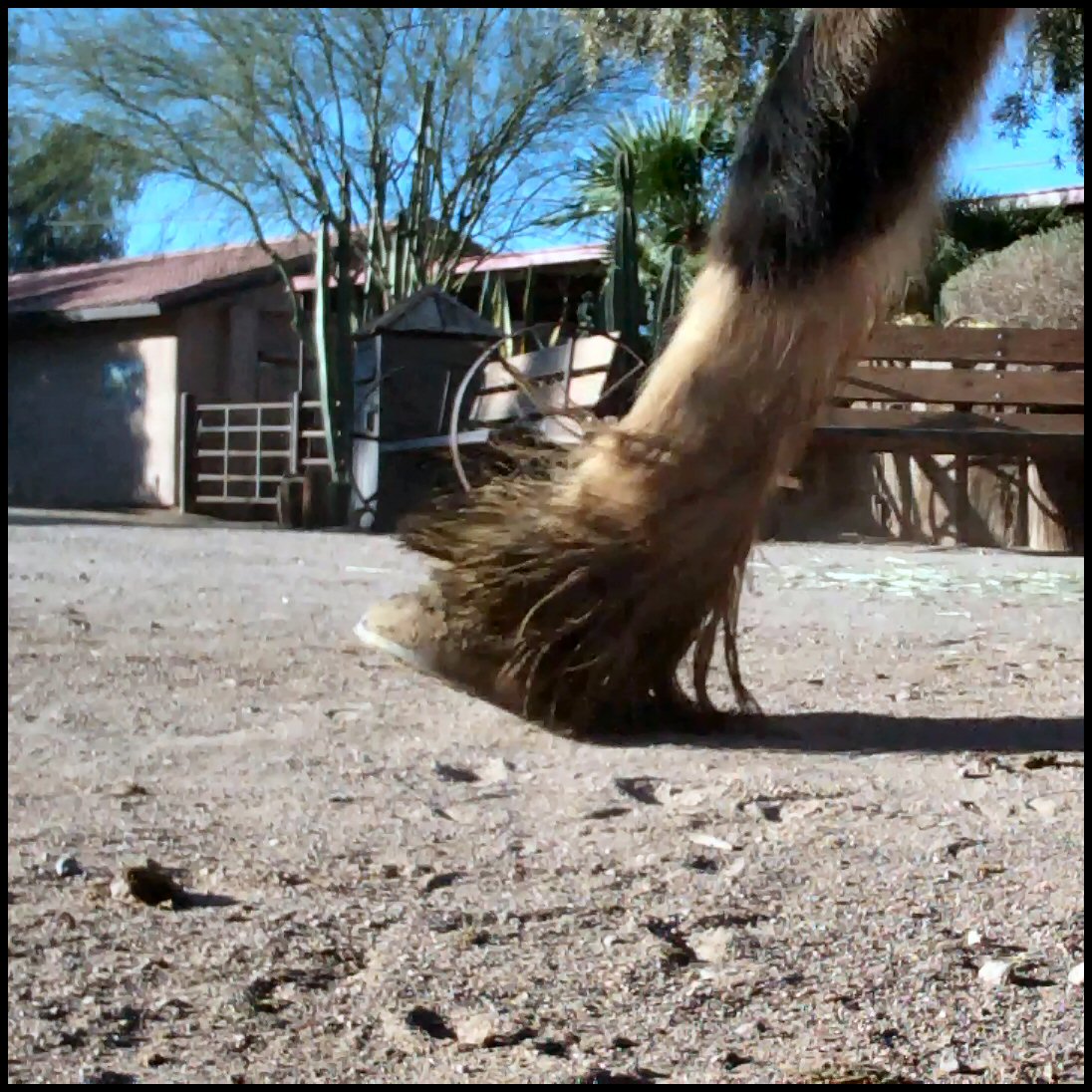
Heel-First Landing
...and a more typical, but also destructive, heel-first landing

Why am I mentioning imbalance in a post about hoof angles? Because, as the last post mentioned, the horse does not adjust the flight arc of his hooves based on what’s been done to the bottom of them. So if his heels are too long (high), they’re going to hit the ground first. Likewise with toes that are too long.

For now, I’m going to leave you with the following four points:

  1. Hoof angle is not arbitrary; the only proper hoof angle is the one that properly aligns the bones/joints of the lower limb.
  2. To minimize the forces of landing – jerk and concussion – the hoof must be properly balanced.
  3.  You cannot see a bad landing, unless it’s really bad, without the proper equipment.
  4. Given sufficient movement over suitably-abrasive terrain, the barefoot horse will quickly remove any minor hoof imbalances; however, a shod horse has 0% chance of fixing his own feet.

More later…
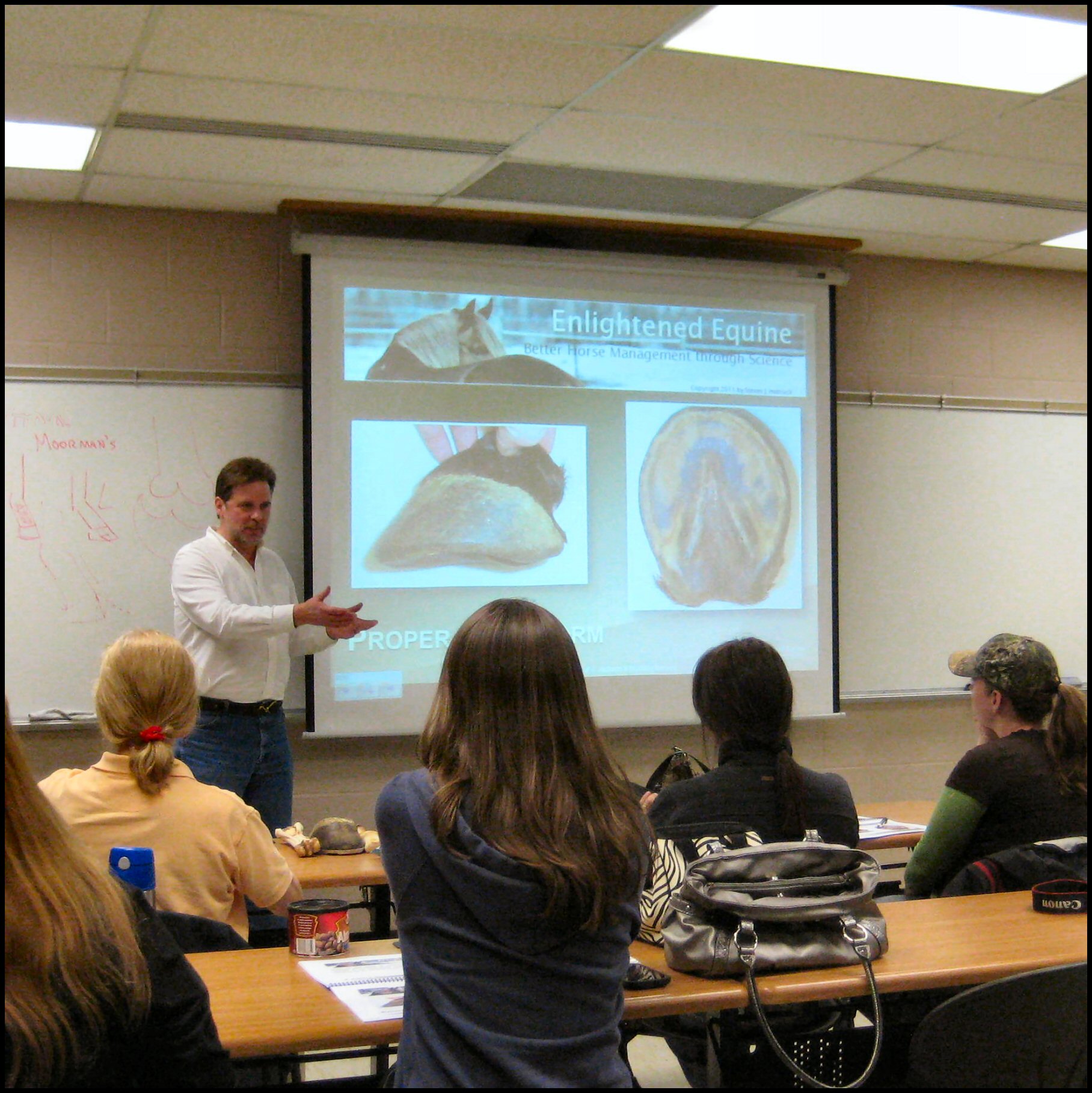
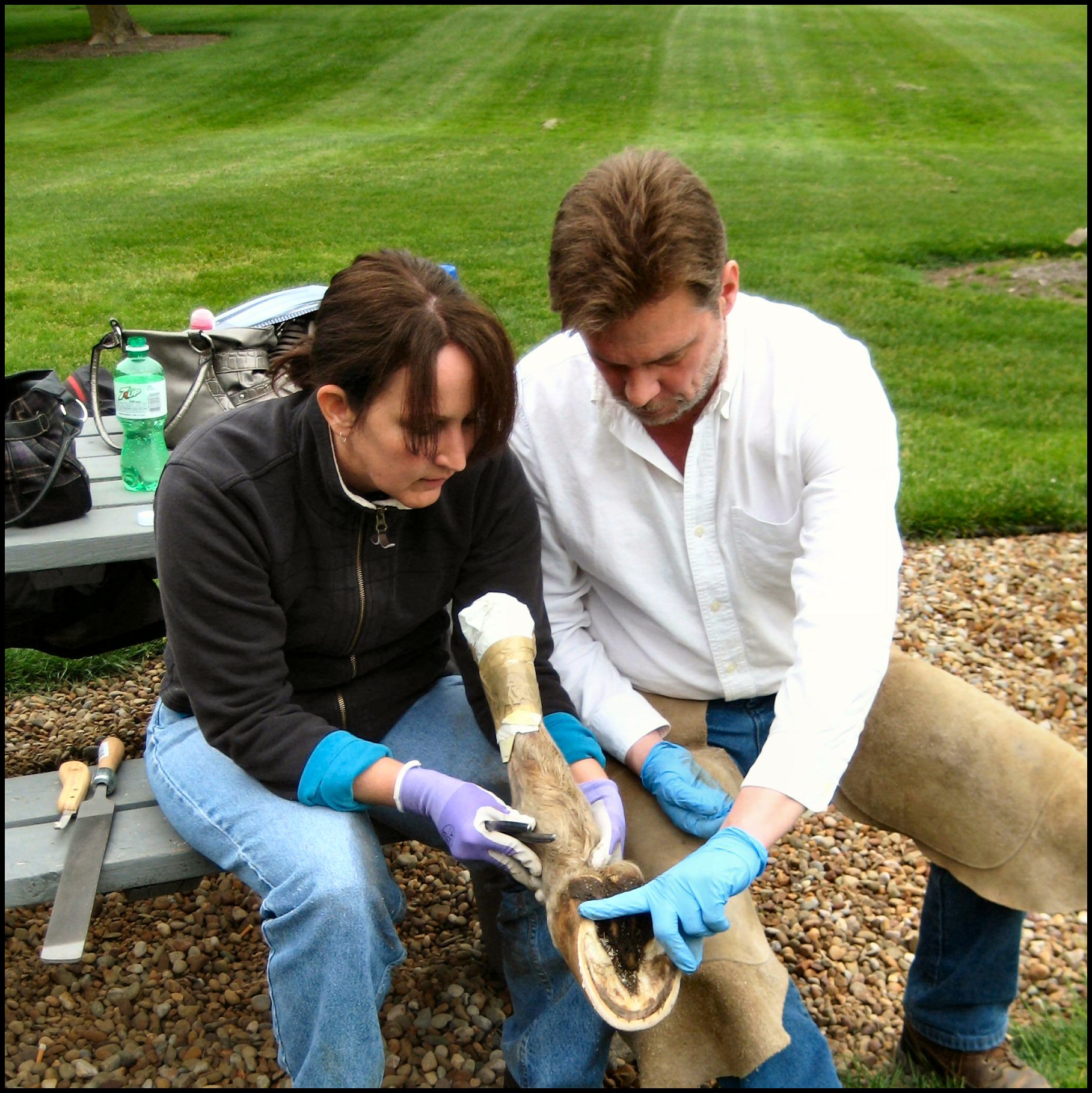
Classroom instruction

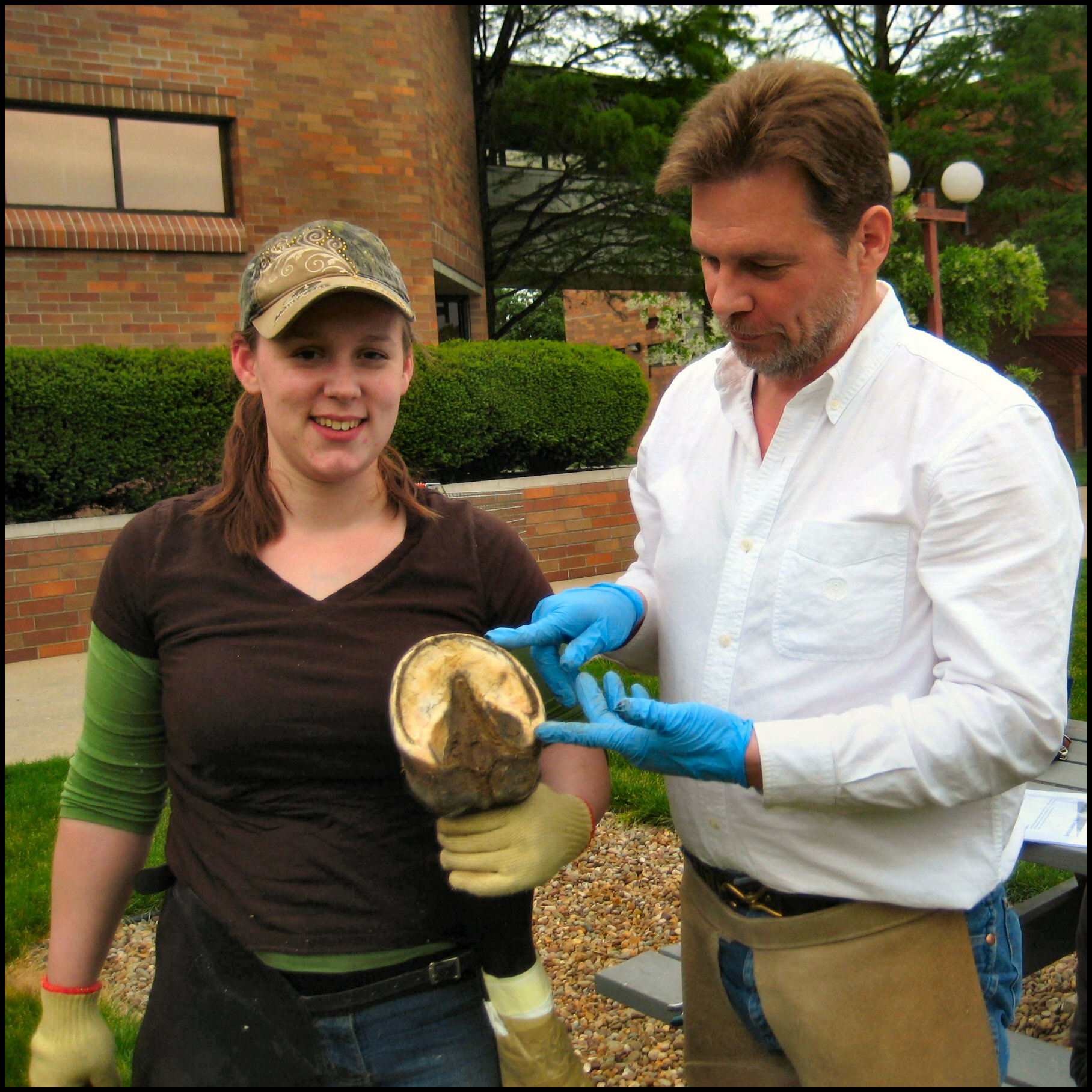
The clinics of the last two Saturdays are now behind me, and I’m very pleased with how things went. There were literal gasps “from the crowd” as I showed them slow-motion video of unbalanced landings and the consequent vibration in the hoof and lower limb.

"Seeing" balance
"Seeing" balance

They were long days, though; we spent from 9AM ’til 8PM yesterday, for example, talking and trimming. But I find the whole process very rewarding. With so much misinformation in the horse world, including about the hoof, I find the opportunity to help “set things right” through photographs, video, and just plain “common sense thinking” invaluable to both myself and (I hope!) the students. It’s always great seeing those light bulbs turn on!

But my real concern, of course, is with and for the horses. They, after all, have the most to win or lose in this.

Happy with her work!

I hope to be offering more clinics, and more advanced clinics, in the near future. Thanks again to everyone who participated in making these last two weekends a success!

I’m taking a quick break from the Hoof Angles series to comment on a very serious problem with the way we manage our horses: excessive caloric intake. Because of the unusually warm weather we’ve been experiencing here in Ohio, the pastures are especially lush right now. And with that lush grass comes a greatly-increased risk of laminitis and founder – the #2 killer of horses.

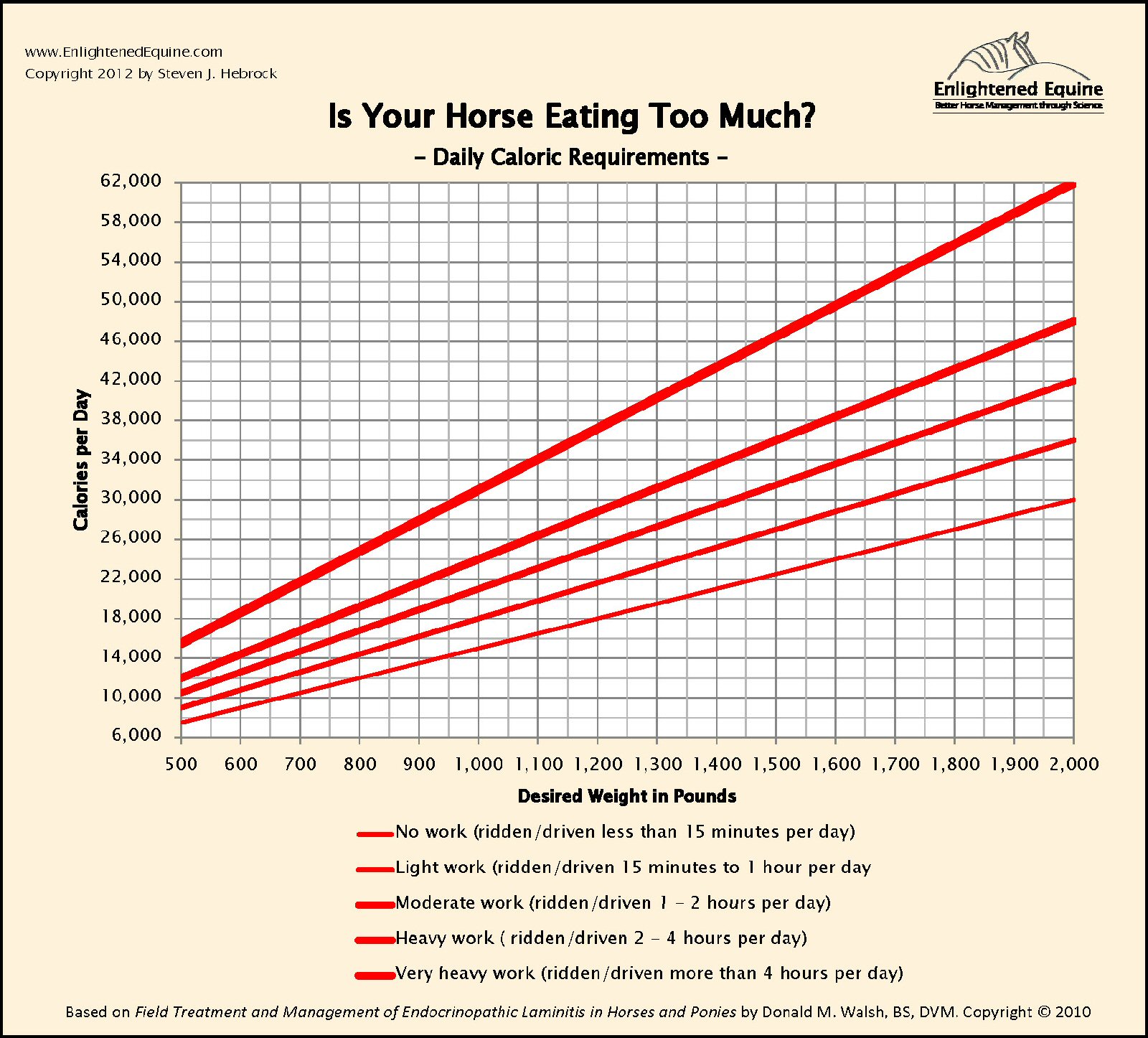
Daily Caloric Requirements Chart

Yes, I know what you’re thinking: “My horse has been out on grass pasture his entire life, and he’s never had a problem!” But that’s the same logic people use to rationalize all sorts of destructive behaviors. The odds may have favored your horse in the past, but, overall, they’re against him. And that’s a fact based on data, not just my opinion. I also realize it’s the “horseperson’s dream” to finally own a few acres so he or she can keep their horses on grass without having to buy hay. But it’s simply not good for them, any more than a steady diet of glazed doughnuts is good for you and me.

Last year I wrote a post entitled Laminitis Risk Calculator that included an MS Excel spreadsheet to help you assess whether or not your horse is at risk. That spreadsheet is still available, either under Tools in the Sidebar, or through the aforementioned post, and I strongly encourage you to download the file and do a thorough analysis of your horse’s needs and current consumption. This year I decided to try to make the data more readily understood by creating a pair of charts that will allow you to quickly approximate your horse’s daily caloric requirements versus his intake.

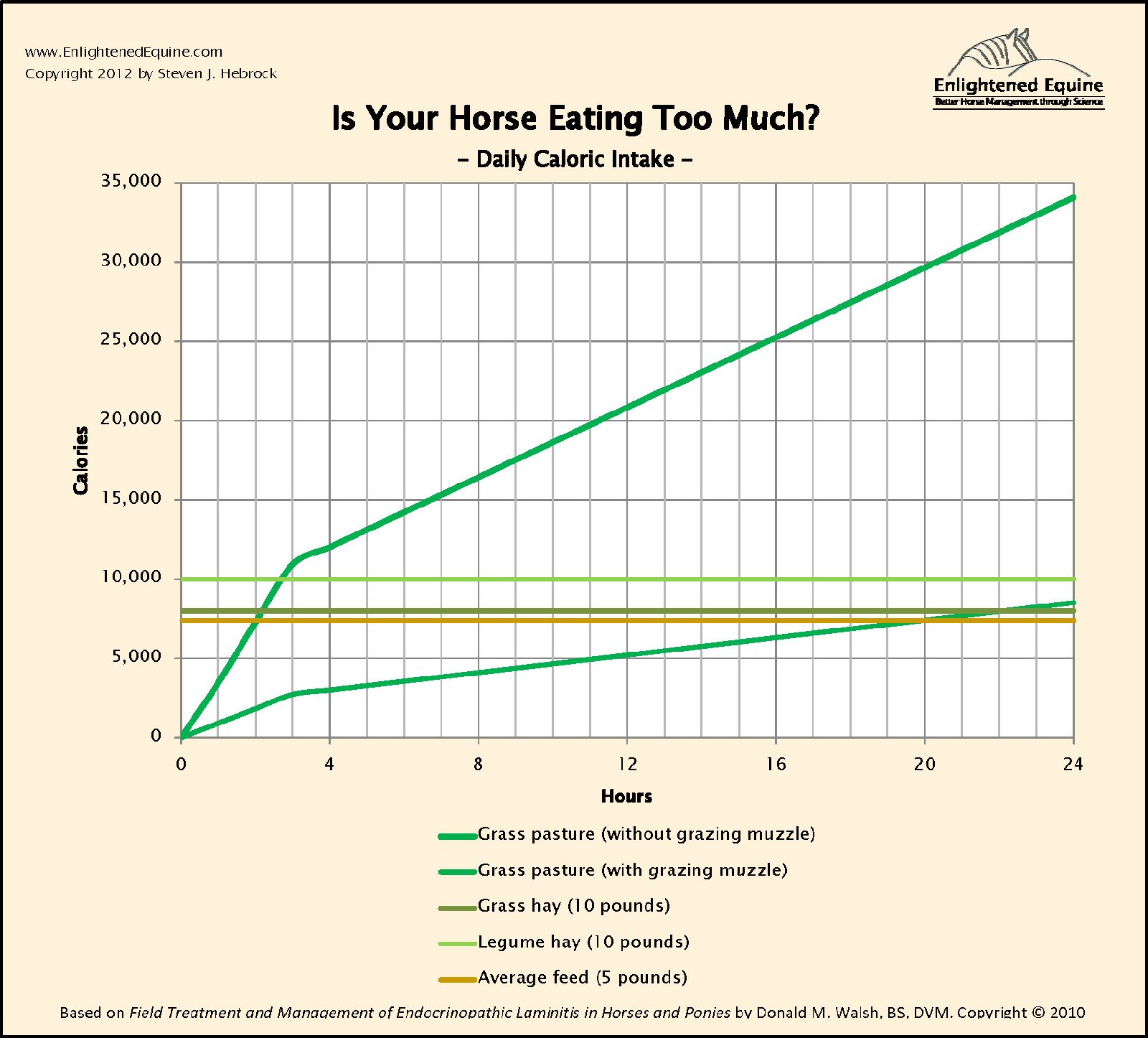
Daily Caloric Intake Chart

The first chart, labeled Daily Caloric Requirements, will let you quickly approximate your horse’s daily needs by locating his desired weight along the bottom, following it up until it intersects with the type of work he’s doing, and then noting the calories required on the left. Remember that the work times are averages, and adjust accordingly. And if you want a more accurate estimate of your horse’s weight than a weight tape provides, see the Instructions page of the Laminitis Risk Calculator for a method based on girth and body length.

Once you’ve determined his requirements, use the second chart, labeled Daily Caloric Intake, to figure out how many calories he’s currently consuming. The items that are typically fed “all at once” (hay and feed) are listed as flat lines per indicated weight on the chart, while grass consumption is shown on a per-hour basis, with and without a grazing muzzle. Don’t forget to multiply the hay and feed numbers by the amounts actually fed. Look up the number of hours on pasture along the bottom, follow it up until it intersects the appropriate sloping grass line, and note the calories on the left. Then, add in the calories from hay and feed, and compare the total with his needs. If it’s higher (or possibly lower), you need to make an adjustment! Note that treats and supplements aren’t included, so consider them as well. And be honest about it; there’s no point in pretending he’s working more than he is, or eating less than he is, just to make the numbers look better. Let’s do an example…

Suppose I have a 900-pound horse whose weight is pretty close to ideal, and I ride her for 45 minutes Tuesdays and Thursdays, and 2 hours on Saturdays and Sundays. That’s a total of 5-1/2 hours per week, or an average of 47 minutes per day. So according to the first chart, her work load is Light and her average daily caloric need is 16,000 calories. She’s out on the pasture for 7 hours every day (with no muzzle), and I give her 20 pounds of grass hay each evening and no feed. That means she’s consuming just over 15,000 calories of grass plus (8,000 x 2) = 16,000 calories of hay each day – nearly twice the number of calories necessary to maintain her weight! So it’s time to make some adjustments. I could cut her hay in half (8,000 calories) and cut her pasture time down to a bit over 2 hours (8,000 calories), and that would be very close. But, being a big fan of keeping horses outside, I’d rather put a muzzle on her (3,800 calories) and cut her hay to 15 pounds per day (12,000 calories). There are lots of ways to end up with the correct diet, and the Laminitis Risk Calculator makes it easy. But you can do a pretty good job with these 2 charts.

For more information on laminitis, be sure to check out the Animal Health Foundation. They have a lot of very useful and interesting information on this all-too-common condition. And remember: the risk of laminitis is very real, and you need to take it seriously! So please share this with your friends and stablemates.

I’ve added a button to make it easy to print both the charts –

[DKB url="http://enlightenedequine.com/wp-content/uploads/2012/03/Is Your Horse Eating Too Much.pdf" text="Print the Charts" title="Hang them in the barn or hand them out!" type="extrasmall" style="gradient" height="30" width="" opennewwindow="" nofollow="" color="#d5a251" textcolor="black"]

Back to hoof angles soon…

“I cannot end  the story of the horse without writing with regret that the health of this useful and precious animal has been up to now surrendered to the care and practice, often blind, of people without knowledge and without qualification.” – Georges-Louis Leclerc (1707-1778)

Leclerc De Buffon was a French naturalist known for his comprehensive writings on natural history. He ended his zoological description of the horse with the preceding quotation, which, sadly, is still very much the case. For example, I attended a presentation at the Equine Affaire last weekend that was a mixture of good anatomy and bad advice concerning what a horseshoe can and cannot do for the horse. And a number of the presenter’s comments were directly relevant to the subject of this post: the relationship between the internal structures of the hoof and the external hoof wall.

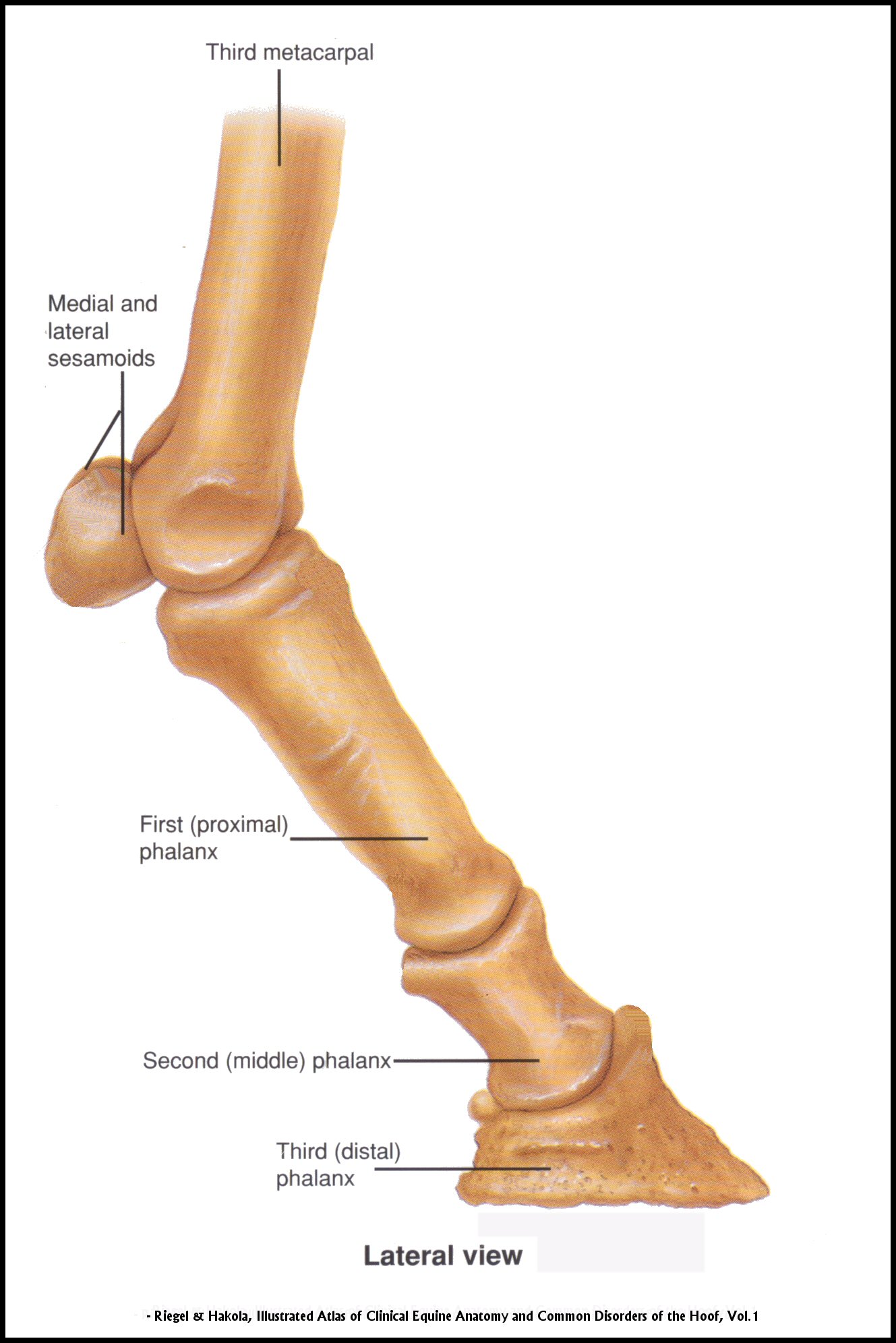
Let’s start by talking about what matters to the horse. After all, he’s the real beneficiary (or victim) of hoof care. First and foremost, he doesn’t care about what his foot looks like; he cares only about how it functions. And the point of departure for proper function is correct alignment of the bones of the lower limb, as shown in the accompanying illustration.

Leg Bones - Lateral View
Bones of the lower limb

However, I want to point out three things about this image before I continue. First, it’s not quite correct; the bottom rim of the coffin bone isn’t really parallel to the ground. Rather, it forms about a 3° angle with respect to the bearing surface. Second, they haven’t labeled the navicular bone – that tiny bone directly behind the short pastern/coffin joint. And third, note that in this lateral (side) view, the “front” of the bones (not counting the navicular bone, of course) are roughly in line with each other.

This last observation is the source of the difficulty, and the logic behind it goes like this:

  1. From the side, the “front” of the hoof wall is parallel to the “front” of the coffin bone, and,
  2. In a properly-trimmed hoof, the bones of the lower limb line up; therefore,
  3. If the angle of the “front” of the hoof wall matches the angle of the “front” of the pastern bones, the hoof must be properly trimmed.

The flaw in this train of thought lies mainly with the first item, because the statement is true only for a 100% healthy and properly-trimmed hoof. It’s a misconception that the dorsal hoof wall necessarily accurately reflects the position of the coffin bone inside the hoof capsule. Many, many horses have some degree of thickening of the dorsal hoof wall due to long-term imbalances coupled with bad farriery practices, and so that relationship will no longer hold true. Even a slight amount of thickening will affect the angle read on a hoof gauge by several degrees. And that’s in an otherwise-healthy horse; in the laminitic horse where the white line has stretched to one extent or another (particularly at the toe), the angle discrepancy between the dorsal hoof wall and the coffin bone can be anything from a few degrees to dozens of degrees. Take a look at these radiographs –

Hoof Angle Radiographs
Coffin bone – Hoof wall Relationship

Which one would you want your farrier to use? If you’re 100% certain your horse’s hoof is like the one on the upper left, things would probably be fine. But the upper-right hoof is pretty typical-looking in appearance, yet the radiograph reveals a 5° discrepancy between the hoof wall and coffin bone. That means if your farrier uses this horse’s wall as a reference, he/she is going to “rotate” the coffin bone  5° out of alignment, causing an imbalance in the tendon and ligament tensions.

From here, it only gets worse. While fairly long, the hoof in the lower-left radiograph has a smooth-looking hoof, which means many farriers and vets would attempt to match the hoof-pastern angle, leaving the heels too long with respect to the toe and/or wedging up the heels with a shoe/wedge pad. The result? A horse with a misalignment of 15°! Then, when the horse starts having heel pain (because he’s pounding down on his heels), someone will eventually x-ray the horse and declare the coffin bone is “rotated” 15°. The horse can’t win!

Remember – the horse doesn’t care what his foot looks like. He cares only about how it functions. And bone/joint misalignment means he’s not going to function as well as he could. The lower-right image shows a laminitic horse with at least three distinct hoof angles. Which should your farrier follow?

As I’ve mentioned in the past, I’m a big fan of much (but not, I hasten to note, all) of what Dr. Deb Bennett has to say about hooves. I like the following illustration and quotation from her Principles of Equine Orthopedics. In the quotation, she’s rendering her opinion of a particular “method” of trimming based on proportions of the hoof (Russell) –

Trim Dictates Pastern Angle“If you want to cordially make yourself insane, try analyzing proportions in horses’ feet. It is a very slippery business. Because the pastern and ankle are driven to take on whatever angle they have by the shape and angle of the hoof capsule, this “ideal” from Russell is just that — one possibility out of many theoretically possible. Particularly, I am critical of the idea that the toe of the hoof should line up perfectly with the pastern axis. I think this can happen but is not in fact the relationship most likely to keep most horses sound….The pastern angle must never be used as a basis for predicting the “proper” angle of the hoof….The toe must not be trimmed to parallel the line of the pasterns. It may – or may not – wind up there after the fact.”

This is why trimming methods based on lengths and angles and numbers of any sort can’t possibly work. The only way to ensure the foot will be properly balanced is to use the bottom of the foot – with an accompanying comprehensive understanding of the characteristics of the various tissues present – as the singular guide for trimming. Armed with that knowledge, every foot you trim will always be correct!

More later…

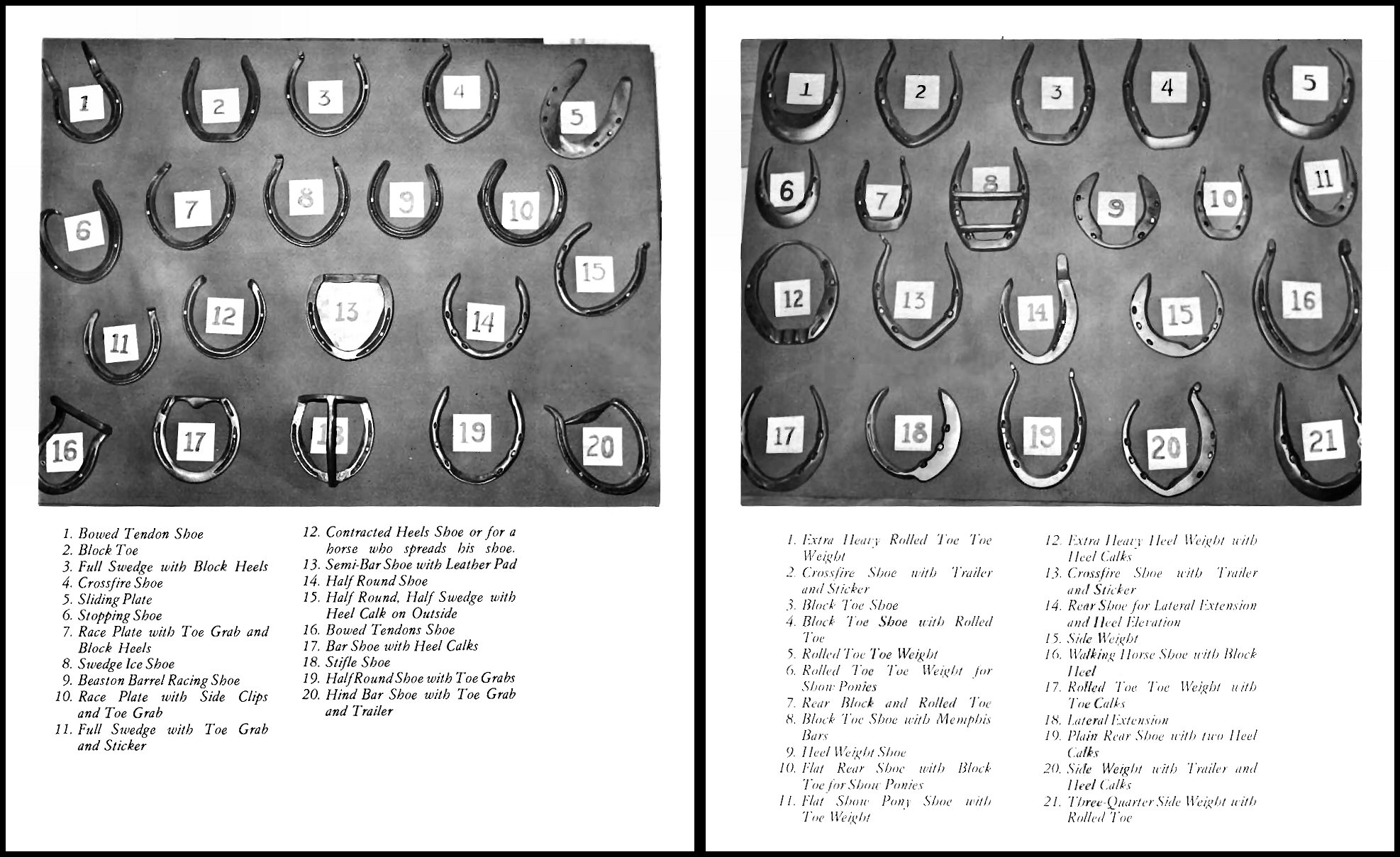
In Hoof Angles – Part 1 we touched on the basic parameters of movement that veterinarians and farriers attempt to alter through trimming and shoeing. In this installment, we’ll examine a fundamental misconception about cause and effect as it relates to equine anatomy: the notion that the shape of the hoof causes the horse to move in a particular way. This idea, in fact, is so basic and so prevalent that it impacts nearly every aspect of traditional hoof care. And this applies not only to deliberate manipulation of front-to-back balance i.e. hoof angles, but to side-to-side balance as well. Just look at any book on horseshoeing or so-called “corrective” farriery for detailed procedures on straightening crooked limbs and altering movement patterns through trimming and shoeing. Page through a horseshoe catalog and you’ll see dozens of shoe styles that reflect this belief: wedge shoes, shoes with long branches (“trailers”), shoes with beveled or rounded toes, asymmetrical shoes, shoes for specific breeds…the list goes on and on. For example, look at this pair of photos from Bud Beaston’s The Master Farrier –

Assorted ShoesThese shoes are custom made with the intent of addressing specific movement issues. The ones on the left are for American Quarter Horses, and the ones on the right are for American Saddlebreds.

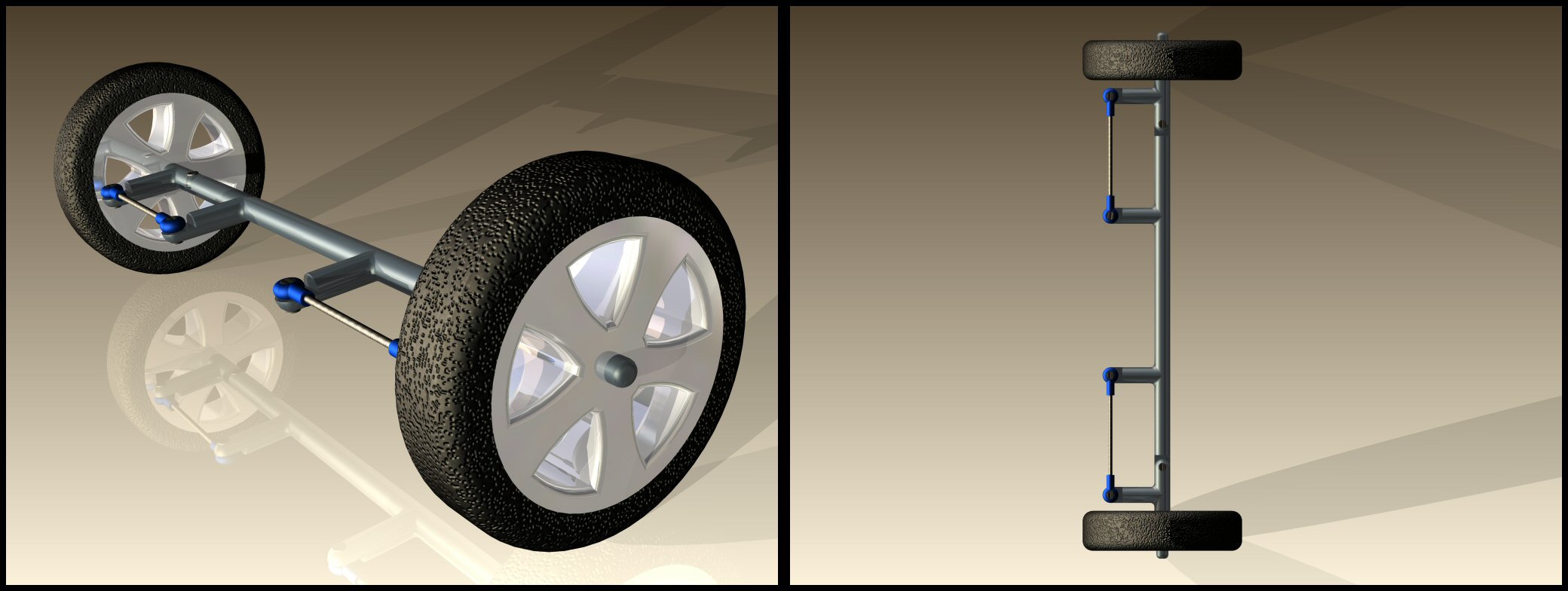
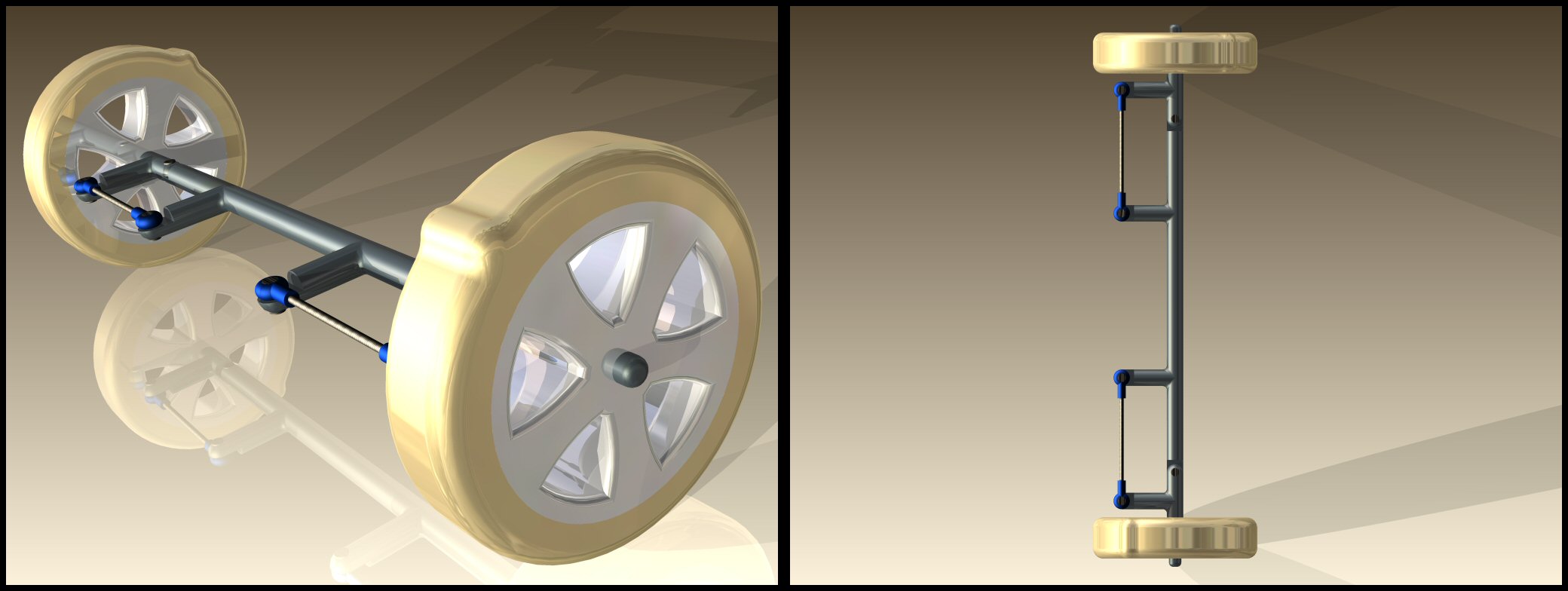
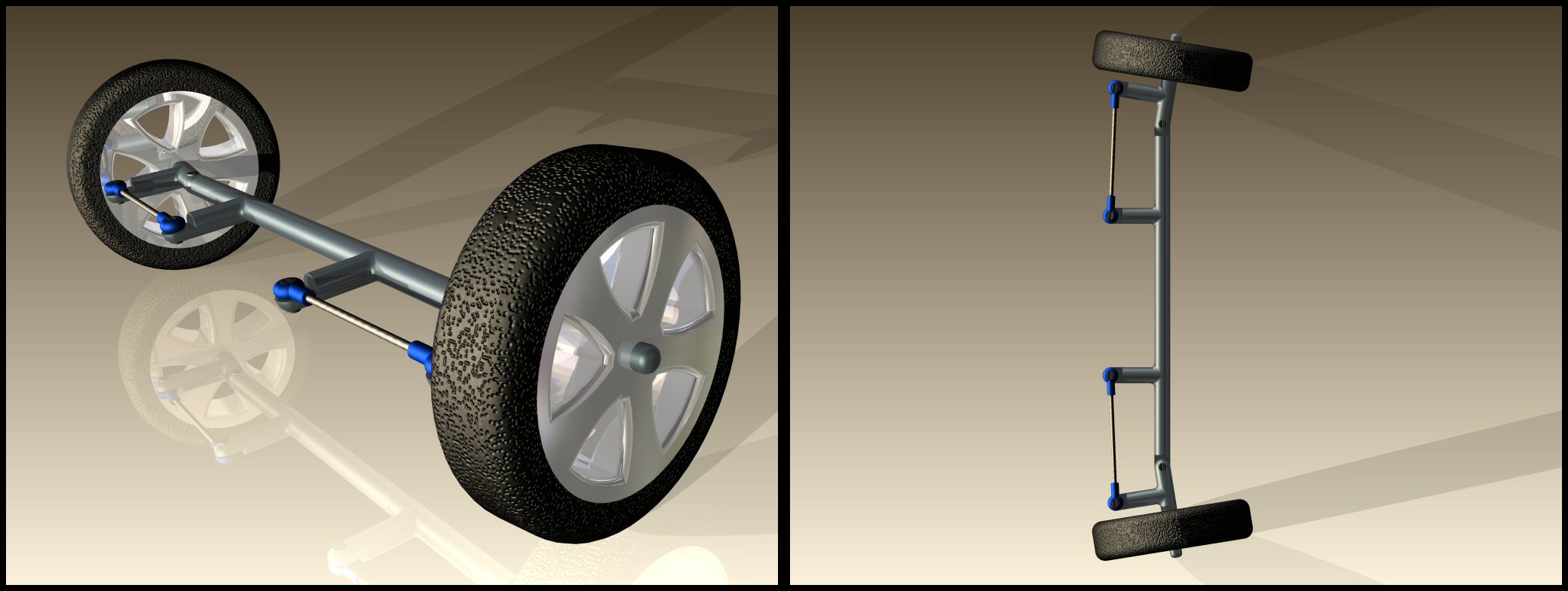
As I stated earlier, the underlying premise for all of this is that movement can be positively influenced by what happens on the bottom of the hoof. But the reality is this: hoof form is the consequence of how the horse moves, not the cause – at least not in any positive way. Let’s examine why, using a simple but easily-understood example: the construction of the front axle for my new car –

Round & Straight WheelsYes, I realize this isn’t a perfect analogy, since a horse’s limb motion is reciprocating while wheels are rotary. But it’s actually closer than you might initially think because the objective of both situations is the same: efficient horizontal movement. To quote Dr. James Rooney in Biomechanics of Lameness in Horses –

For efficient locomotion, vertical movement (lifting the body against the force of gravity) should be reduced to a minimum in favor of straight-line, forward movement….Since the vertical movement of one leg is nearly balanced by the vertical movement of the next leg in the gait sequence (down and up, respectively), the net effect approaches pure horizontal motion.

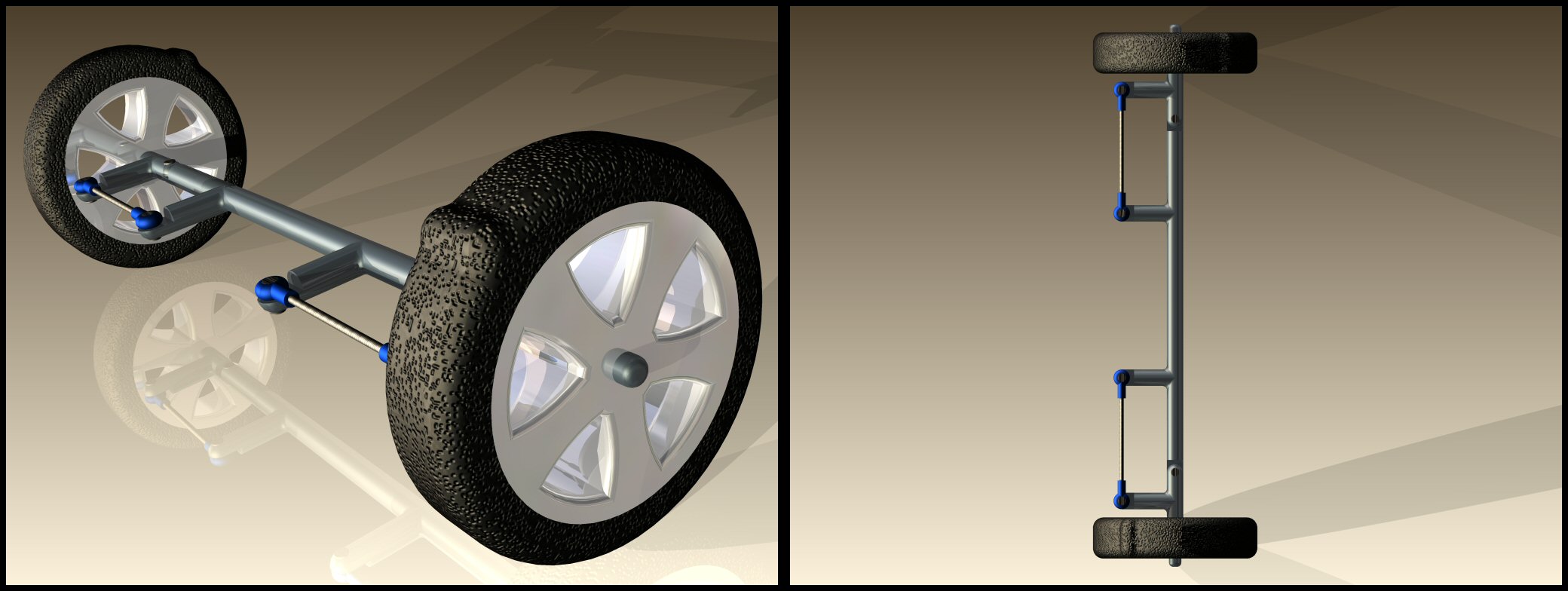
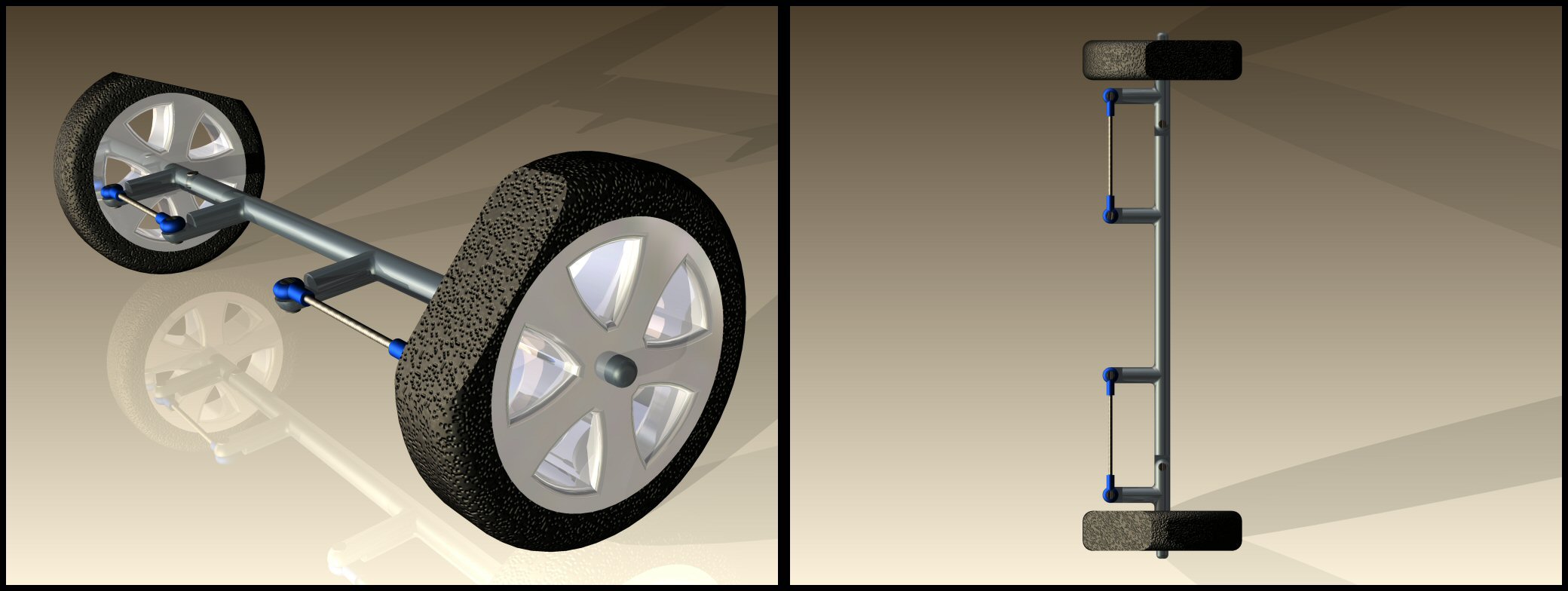
And that, after all, is the goal. Just like my car, we want the horse to move forward with minimal resistance (maximum efficiency), and anything that impedes motion detracts from the objective. For example, suppose my tires have an extra lump of rubber on them –

Round wheels with a bumpFor a while, at least, I’m going to have a bumpy ride! The lump on the tire causes resistance to horizontal motion because it forces the car to literally lift itself (vertically) as it goes over the lump. But because the rubber is softer than the road, the abrasiveness of the road will eventually wear off the lump and the tire will be round. The movement of the car causes the shape of the tire, not the other way around!

A horse’s hoof is exactly the same. Anything on the hoof that prevents efficient movement creates extra work for the horse to overcome. But given sufficient time on abrasive terrain, the barefoot horse will wear off whatever is resisting motion, just like the car’s movement wears the lump off the tire. That, by the way, isn’t the case if the horse is shod, or if I make my tires out of titanium –

Bumpy metal wheelsA shod horse is essentially “stuck” with whatever the farrier did, because any chance at self-correction has been defeated by the metal shoe. But the situation is often much worse for horses. Let’s look at another wheel –

Flattened wheeWhile the lumpy tire certainly makes the ride rough, the lump is fairly small and fairly smooth, so it doesn’t place a lot of additional stress on the axle joints. With this tire, however, there’s quite a bit more stress on the joints as the wheel rolls onto the flattened area. The weight of the car literally “snaps” the wheel down, only to have to work extra hard to lift the weight of the car up again as it rolls past the flattened spot.

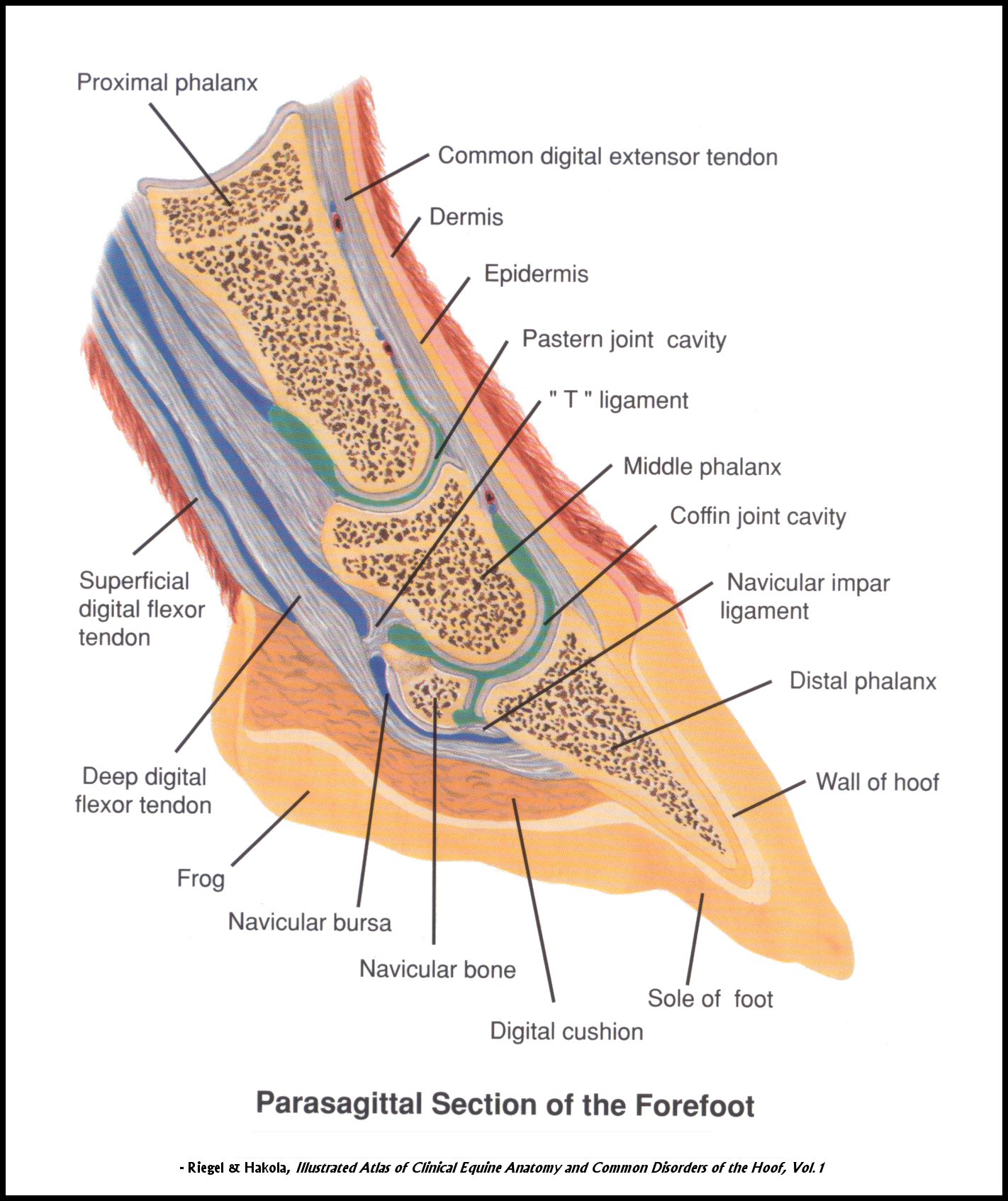
Many horses endure a similar situation because, I suspect, people think the horse somehow corrects his landing according to what’s been done to the bottom of his foot. But that’s not the case. As I say to clients, “When you wear high heels, do you really think your foot somehow ‘knows’ the heel is longer and corrects the flight arc for a proper landing?” Of course not. In fact, after examining horses in which the extensor, deep flexor, and superficial flexor tendons, as well as their respective check ligaments, had been severed, Dr. Rooney makes the following point about hoof placement –

On the basis of these observations it seems quite clear that alignment and placement of the pastern and hoof can be carried out passively with virtually no active muscular assistance. The contention is not that the muscles are inactive or useless, but rather that their primary function is not production of movement.

In other words, when the structures many believe actively place the hoof at landing are cut, the horse still lands the same way! So the horse is not controlling how he lands; therefore, if one part of the hoof is left long relative to the rest of the hoof, it’s going to make contact with the ground first. And when the horse’s weight comes down on the hoof, it’s going to snap the rest of the foot down. That so-called unilateral concussion and consequent “snapping” motion are extremely destructive to the horse, which we’ll discuss in a later post.

Parasagittal Section of the Forefoot

I hope you’re beginning to understand that the forces at work on the hoof are absolutely relentless, constantly at work reshaping it to permit the horse to land and break over with minimal resistance with every step. Just as I can’t change the basic forward motion of the car by changing the tire, the forces shaping the hoof aren’t altered by manipulations at the ground level because motion doesn’t originate at the ground. So anything you do that resists a minimal-impact landing and a minimal-resistance breakover can only be negative; you can’t improve the motion of the horse beyond his conformation, but you certainly can cause long- and short-term damage to joints and soft tissues, depending on the nature, location, and extent of the “resistance” you force upon the horse’s hooves.

As I like to say, a hoof care provider has, in reality, only two choices: he or she can either help the horse achieve that minimal-resistance landing and breakover, which requires an acknowledgement of any shortcomings in the horse’s conformation, or he/she can stand in the way of long- and short-term comfort and soundness by deliberately or inadvertently departing from proper balance.

I choose the former.

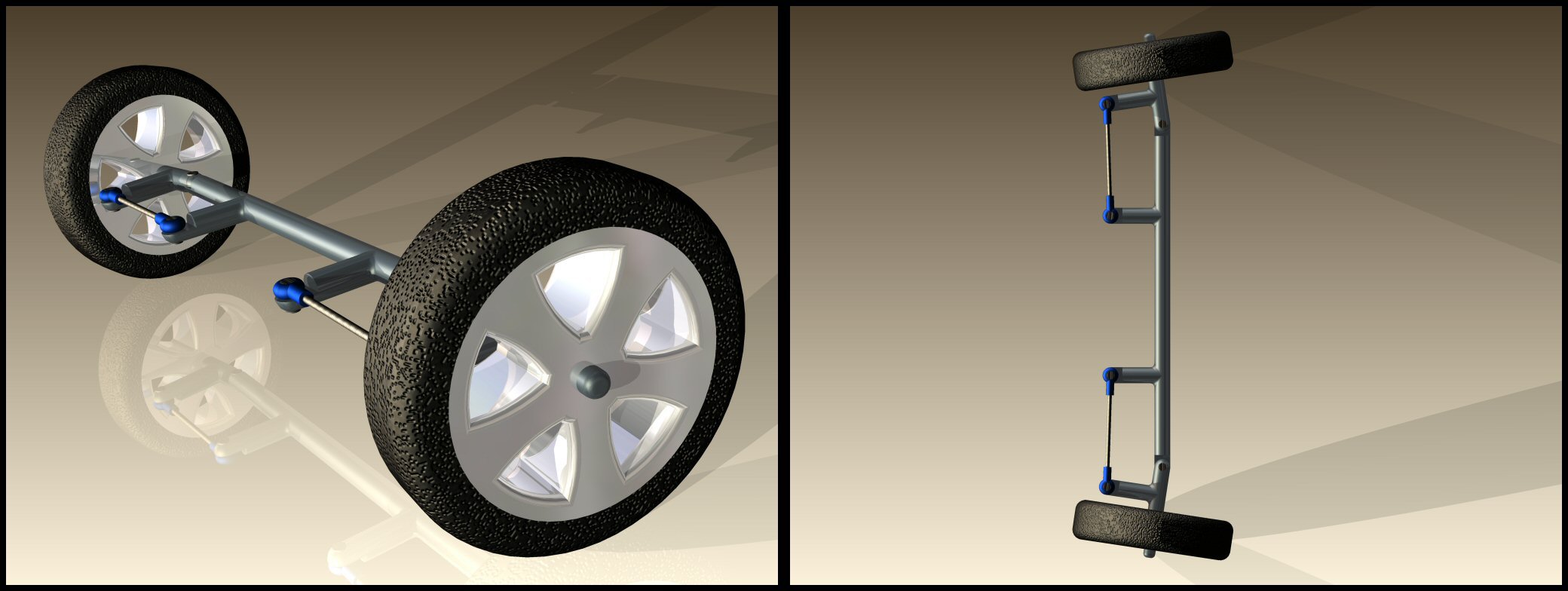
Until next time, I’ll leave you with a couple more photos of my car – this time adjusted so the wheels are no longer parallel. Let me know what kind of tires you think will make them parallel again…

Round & Toed-Out WheelsRound & Toed-In Wheels